Today, I went to lunch with some high school friends in Detroit. On the way back, we stopped at John K. King Used and Rare Books. This place is a real Detroit institution. Housed in a former glove factory, the store claims to have more than a million used books stashed in closely-spaced bookshelves on four floors.
Just as we were about to leave, I spotted a box near the door labelled, “Ham Radio Cards & Ephemera.” In the box was about 100 QSL cards from the estate of Carlton R. Lindell, W8MNQ, 1250 Eastlawn Ave., Detroit, Mich. Some were blank cards of his, others were cards he received in the late 1930s and 1940.
I found two with callsigns that spell words—VE3ALE and the one above, W5ICE. There are a couple of remarkable things about this card. First, it only cost a penny to send a postcard back in those days. Second, the description for W5ICE’s transmitter and receiver are not model numbers, but actual descriptions of his “rig.” The transmitter used H125 tubes in the final amplifier, while the receiver was an “8 tube super(het).”
Also notice that there’s no line for the mode being used. It was probably assumed that the mode was CW.

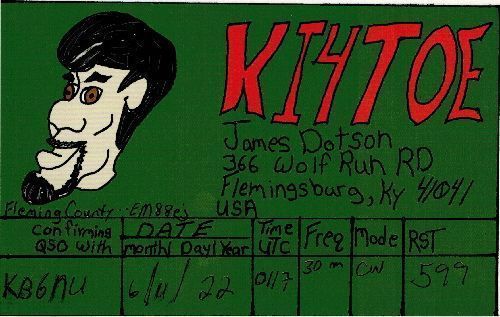
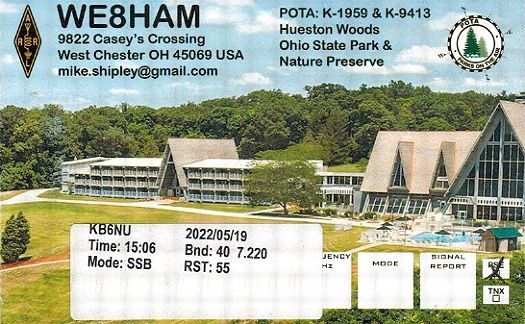
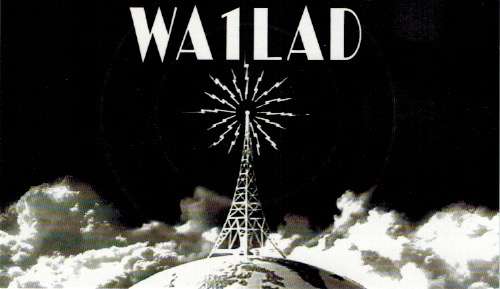
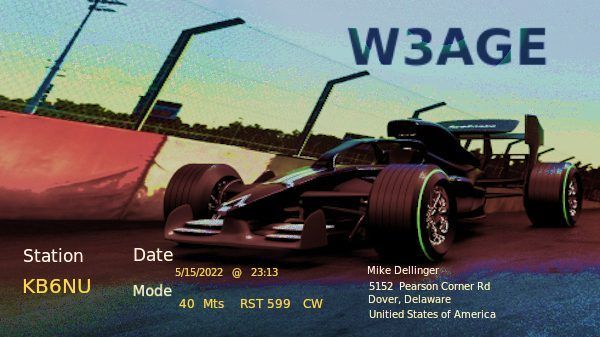
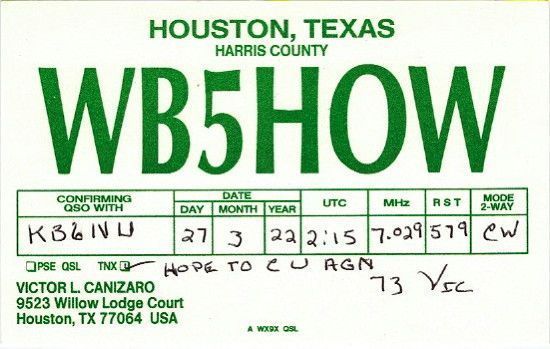
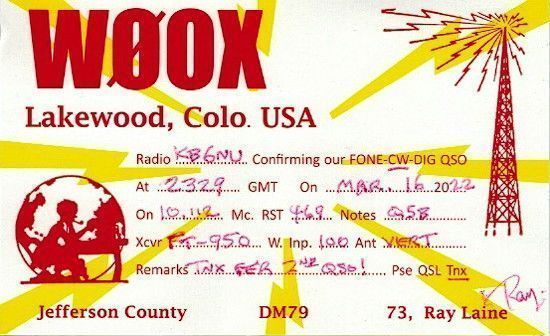
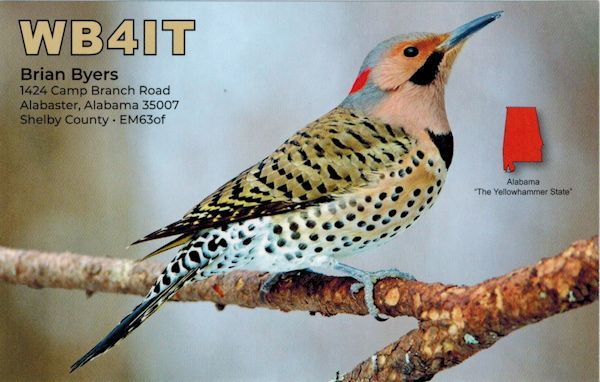
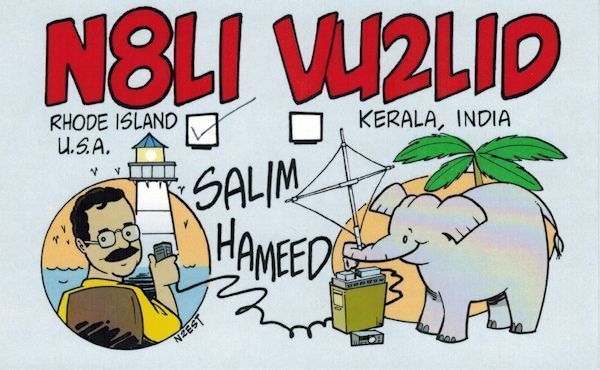
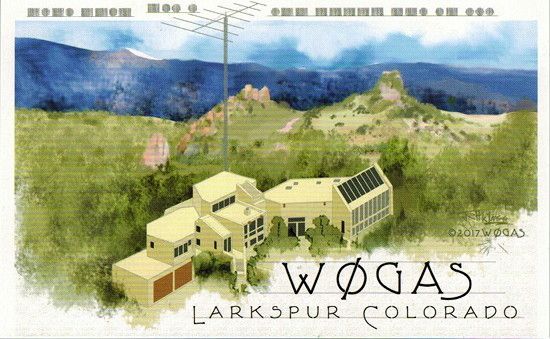
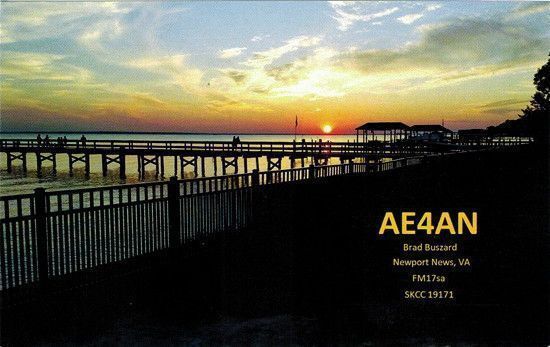
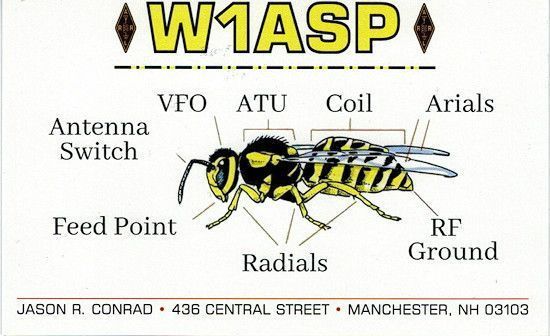
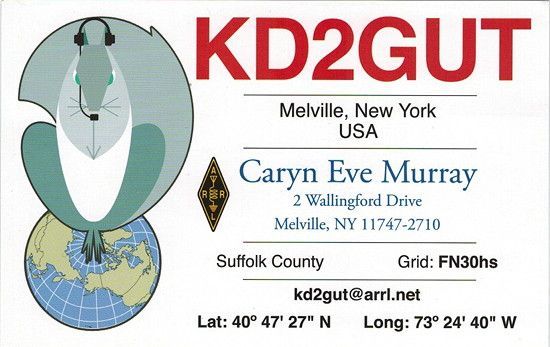
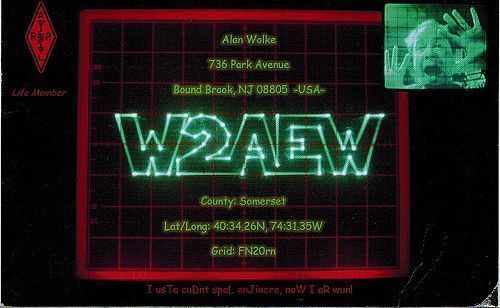
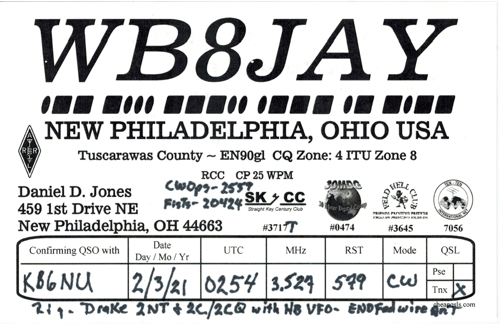
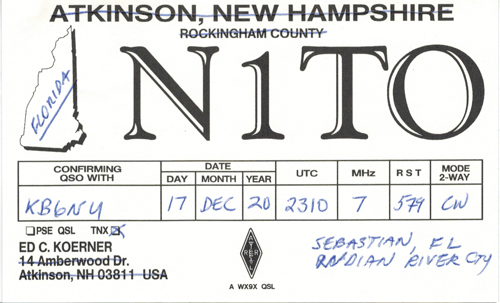
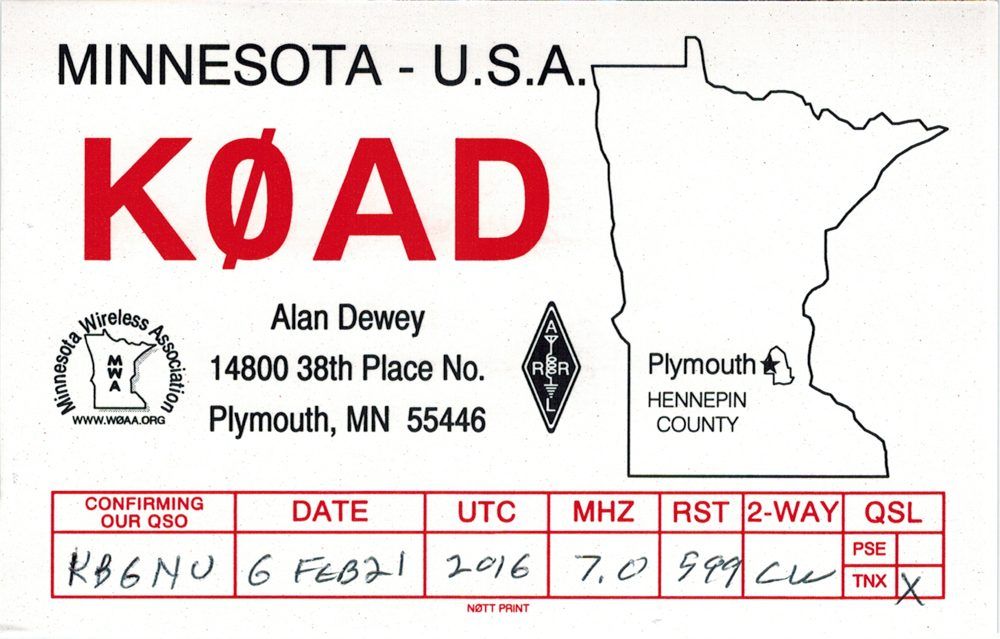
Once you start making contacts, other amateurs will want to swap QSL cards with you, even if you just talk to them on the local repeater. The purpose of a QSL card is to confirm that you had a contact with another amateur. For sure, you’ll want to have some cards printed up if you operate on the shortwave bands. Sometimes, amateur radio operators call swapping QSL cards “the final courtesy.”


I worked 


Recent Comments