
• Skip to primary navigation
  • Skip to main content
  • Skip to primary sidebar
  • Skip to footer

KB6NU's Ham Radio Blog

KB6NU's Ham Radio Blog
  • HOME
  • Study Guides
  • Teach a One-Day Tech Class
  • W8SRC Repeater Guide
  • Advertise
  • Hire Me

Random stuff: Circuit debugging tips, choke cookbook, Bluetooth observation

March 24, 2024 By Dan KB6NU 1 Comment

8 Tips for Debugging Electronic Circuits
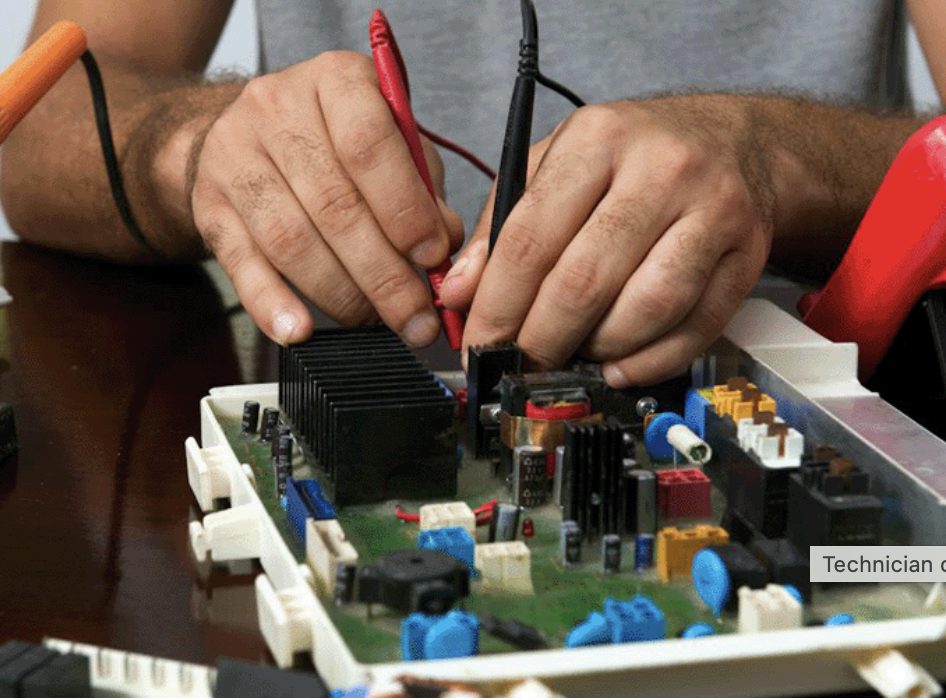
Technician probing an electronic circuitJameco’s eight tips for debugging circuits include:

  1. Understand the circuit.
  2. Do a visual inspection.
  3. Use the right tools.
  4. Check power supply and ground connections.
  5. Consider signal tracing and analysis.
  6. Conduct incremental testing and isolation.
  7. Learn from documentation and community resources
  8. Develop a methodical approach

For a more complete description, visit the Jameco website. My advice would include a combination of #2 and #4. After doing a visual inspection, the first thing I do is to check all the cables and connectors. It’s been my experience that bad cables and connections account for approximately 80% of electronics problems.
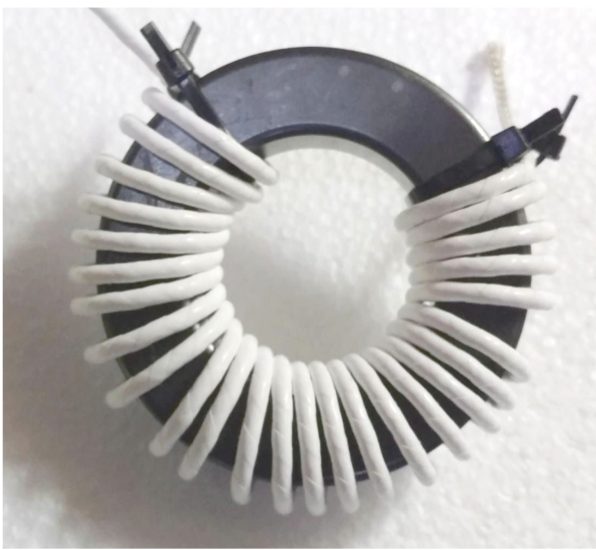

Toroid core wound with RG-179 coax
An RG-179 choke.

A New Choke Cookbook for the 160–10M Bands
Using Fair-Rite #31 2.4-in o.d. (2631803802) and 4-in o.d. (2631814002) Toroids

This article by K9YC is chock-full of information about RF chokes for HF antenna systems, including circuit theory and practical construction techniques. The introduction reads:

Common mode chokes are added as series elements to a transmission line to kill common mode current. The line may be a short one carrying audio or control signals between a computer and a radio, video between a computer and a monitor, noisy power wiring, or feedlines for antennas. This application note focuses on the use of chokes on the feedlines of high power transmitting antennas to suppress received noise, to minimize RF in the shack (and a neighbor’s living room) and to minimize crosstalk between stations in multi-transmitter environments.


Bluetooth multi-path distortion

I’ve started using a set of Bluetooth ear pods to listen to podcasts on my Android phone when walking around town. (I do a lot of walking.) I’ve noticed that when I’m walking around downtown, sometimes the sound will go out in one or both ear pods.

At first, I thought that might be because my hand or my body was shielding the Bluetooth signal when my phone was in my pocket. Thinking more about it, though, I’ve decided that I’m losing the signal due to reflections from buildings as I walk by them. It’s multipath distortion!

I should have realized this right off the bat, as I’ve been teaching this very thing in my one-day Tech classes for at least the last ten years.

Related posts:

  1. Splicing Antenna Wire
  2. From my Twitter feeds: Smith chart, inkjet PCBs, SW books
  3. From my Twitter feed: Tools for electronic hobbyists, ladder line, build a radar
  4. 100, 50, and 25 Years Ago in QST

Filed Under: Antennas, Building/Homebrew Tagged With: Bluetooth, Chokes, debugging

Reader Interactions

Comments

  1. Bob says

    March 27, 2024 at 9:43 pm

    The FT-240 #31 cores are great! Thanks for the link to K9YC’s app. note.

    Reply

Leave a Reply Cancel reply

Your email address will not be published. Required fields are marked *

This site uses Akismet to reduce spam. Learn how your comment data is processed.

Primary Sidebar

No Nonsense Technician Class License Study Guide (for tests given between July 2026 and June 2030)

New No Nonsense Technican Class Study Guide now available!

The 2026 version of my Tech Class study guide is now available, and as always, the PDF version is FREE!. The ePub version costs $11.97, and a Kindle version and paperback version will be available on Amazon shortly.

Click here to get all of my "No Nonsense" study guides.

Also available: The CW Geek's Guide to Having Fun with Morse Code

W5SWL.Com
Retevis Ailunce H1 DMR Radio
DXpander: Cobweb antennas, Laser Cutting

You’ve got mail!

Enter your email address below and get an email every time I publish a new post.

Email


I frequently teach classes to help newcomers get their licenses. The next class will take place on Saturday, October 10, 2026 on the University of Michigan campus. Click here for more information.

If you can't make the class, subscribe to the mailing list to be notified of when the next class will be held.

You can always download my free study guide, and if you have any questions about the classes, or amateur radio in general, please feel free to email me directly.

Support KB6NU.Com

Donate $7.30 and get two of these cool stickers. Measuring 4.25-in. W by 2.75-in. H, it's perfect for your car, your shack, or wherever!

Contact me

If you have a question or comment about one of my blog posts, or a question about any of the material in my study guides, or just a question about ham radio in general, you can email me at [email protected].

Blogs You Should Also Read

  • AE5X: A CW-centric blog from Kingswood, Texas
  • K0LWC Blog
  • LA3ZA Ham Radio Blog
  • Little Radios, Big Fun – WB3GCK
  • Mr. Vacuum Tube's Blog
  • Radio Artisan – K3NG
  • The K0NR Weblog
  • VE3WDM's QRP Ham Radio Blog
  • W2LJ’s Blog

Ham Radio Websites

  • Dashtoons – The Hammin' Comedy by Jeff K1NSS

Podcasts

  • ICQ Podcast
  • Linux in the Ham Schack
  • No Nonsense Amateur Radio Podcast
  • Resonant Frequency Amateur Radio Podcast

Recent Comments

  • mike on Instant Character Recognition is the key to CW speed
  • Matt W1CDN on A completely different picture of Wayne Green, W2NSD (SK)
  • Chana Walsh on Rethinking ham radio education
  • Rob WfourZNG on Videos: What’s next for POTA, ham radio helps rescue man trapped in cave
  • Dan KB6NU on The EMF Explorer: A badge for ham radio?

Meta

  • Log in
  • Entries feed
  • Comments feed
  • WordPress.org

Footer

Copyright © 2026 Daniel M. Romanchik, KB6NU · Log in