 A reader writes:
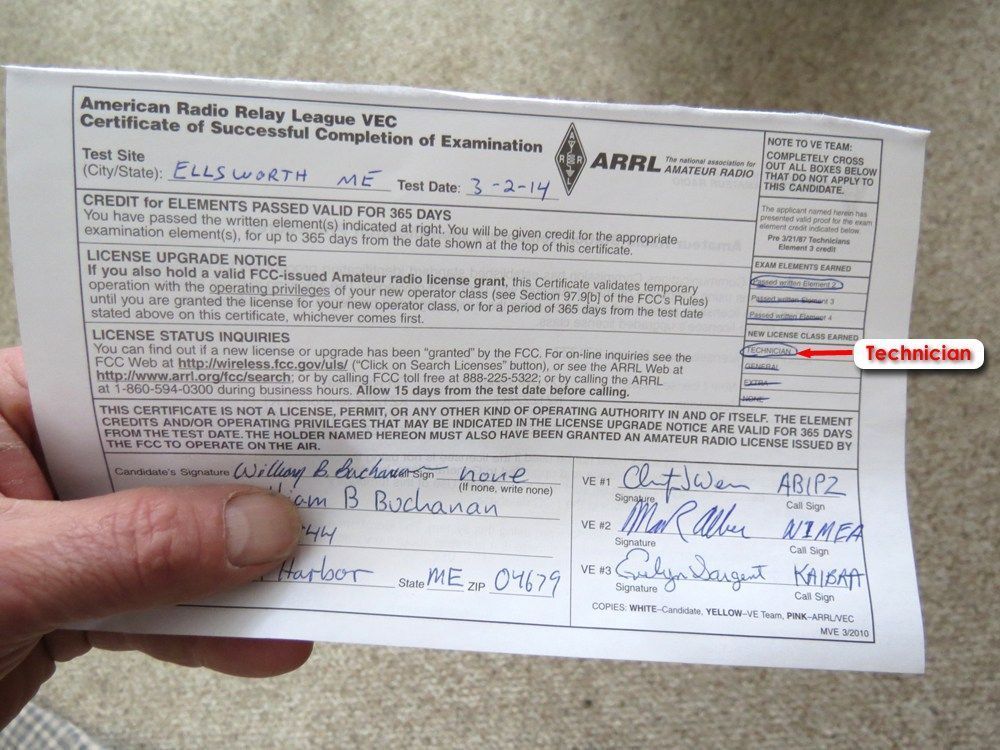
Although I hold a recently-acquired Technician license, I am a grey-haired rookie. When passing the test, the protocol questions were pretty easy for me, because both my parents had been radio hams. I memorized the technical questions, really do not understand the underlying principles.
The handhelds totally baffle me. I am an active member of here where I live, and I’ve asked for help so many times I’m embarrassed to ask again.
I have two Yaesu FT60s. When I try to carry them, I inadvertently touch one of the buttons, which changes the settings, and I have no idea how to get back to where they were. I tried to investigate how to “lock” the keyboard and discover in the manual that there are a multitude of ways in which the instrument can be locked.
It’s all just too complicated. Just because a manufacturer can create a certain kind of programmability, it doesn’t necessarily mean that such a capability is really needed. It’s overkill, and interferes with the use of the basic functions of the instrument.
This email points out two challenges facing new hams:
- The complexity of today’s technology.
- The lack of qualified or willing Elmers.
#1 sounds like a business opportunity to me. I realize that the FT60 is already supposed to be a stripped-down, easy-to-use HT, but perhaps there’s a market for something that’s even simpler to use.
#2 is a totally different matter. I am especially disappointed that my reader was unable to get the help she needed at her local club.
I’ve written before that I think part of the problem is that many long-time hams are really not as knowledgable as they may seem, or if they are, they’re just not prepared to be “Elmers.” When they’re asked to help, they get flustered and embarrassed. They don’t realize that it’s OK to say that they don’t know something and then go find the answer. This is especially true these days when the technology, as my reader aptly pointed out, is complicated and confusing.
I really think that the amateur radio community needs to make a more concerted effort to encourage and support Elmers. Recently, the ARRL suggested that they are considering “new programs and services to increase the knowledge base of newcomers in order to get them active, as well as programs to keep experienced amateurs up to date with changing technology and practice.” I’m going to suggest again that they also include a program to create more Elmers. Without a trained group of Elmers to bring these new programs and services to new hams, it will be a total failure.