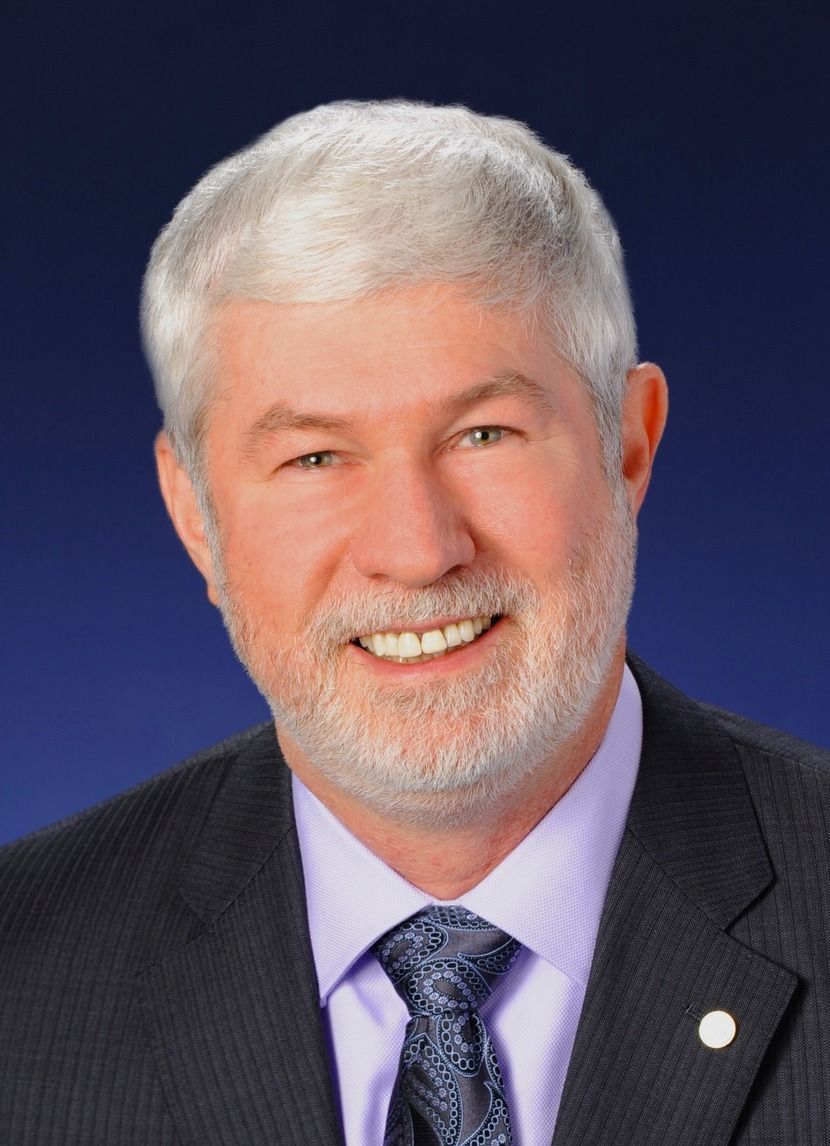
 In the January issue of QST, ARRL CEO Howard Michel, WB2ITX, dares us to imagine the future of amateur radio. He points out that the demographics of the ARRL membership does not match the demographics of amateur radio as a whole, and then say, “They are different, and they want different things.”
He then goes on to enumerate some of the steps the ARRL is taking to meet the needs of the future generation of hams, including starting a new magazine called On the Air aimed at new hams and the Lifelong Learning Program.
He then talks about “verticals.” This terminology is kind of unfortunate because he’s not talking about antennas that need radials, but rather special interest groups (SIGs), including “Radiosport, Experimenters, and Emergency Communications.” The ARRL already has contesting and emergency communications departments, and publishes QEX magazine for experimenters. I’m not really sure how the “verticals” are going to differ from the ARRL’s current activities in these areas, but it is a good idea to think about how to serve special interest groups. Another SIG that the ARRL might consider is digital communications. I’m sure you all have some ideas about this, too.
What really caught my eye is what he has to say about clubs. He writes:
Another way we play to engage hams is through local clubs. ARRL will be hiring a national club coordinator in 2020, who will be charged with developing new ways for clubs to organize and operate. We will continue to support traditional clubs, clubs that meet monthly for business and social events, organize ARRL Field Day activities, etc. But traditional clubs are not the future of clubs. Young people join causes, not clubs.
Our focus will be on developing ways, and an infrastructure, that members can use to organize themselves in ways they want, to do things that they consider meaningful. I can see these new clubs organized to support special events, such as a marathon; to engage in STEM education; or prepare for disasters. These types of clubs exist now, but they may need to conform to a set of rules designed for traditional clubs. Can we scrap the rules and provide meaningful support? To aid in this, club leadership could be another vertical. ARRL could provide training in soft skills, such as how to run a meeting or give an effective presentation.
I think some of these ideas are spot on. I’ve written many times here about what the ARRL might do to help clubs. I have also served as the Michigan Section Affiliated Club Coordinator and developed and provided leadership training for club officers here in Michigan.
I’m excited really that WB2ITX realizes how poor the ARRL support for clubs has been and is considering creating the position of a national club coordinator. Heck, I might even apply for the job myself!